Bitcoin Wallet—Which One Should You Choose Before Buying BTC in Switzerland?
Before you buy Bitcoin in Switzerland, you need a place to store your funds. That place is a Bitcoin wallet—an app or device that lets you receive, send, and secure cryptocurrencies.
However, it is worth clarifying one thing from the outset: a Bitcoin wallet does not store Bitcoin itself in the way a regular wallet stores cash. Bitcoin always remains on the blockchain. The wallet gives you access to it through cryptographic keys.
For first-time cryptocurrency buyers—for example, at a Bitcoin ATM in Switzerland—choosing a wallet is one of the most important steps. It affects not only how convenient the transaction is, but above all the security of your funds.
Why do you need a Bitcoin wallet?
You need a Bitcoin wallet to receive the BTC you’ve purchased, store it, and later send it to someone else or sell it. Without a wallet, you don’t have an address to which a Bitcoin ATM, exchange, or another person can send cryptocurrency.
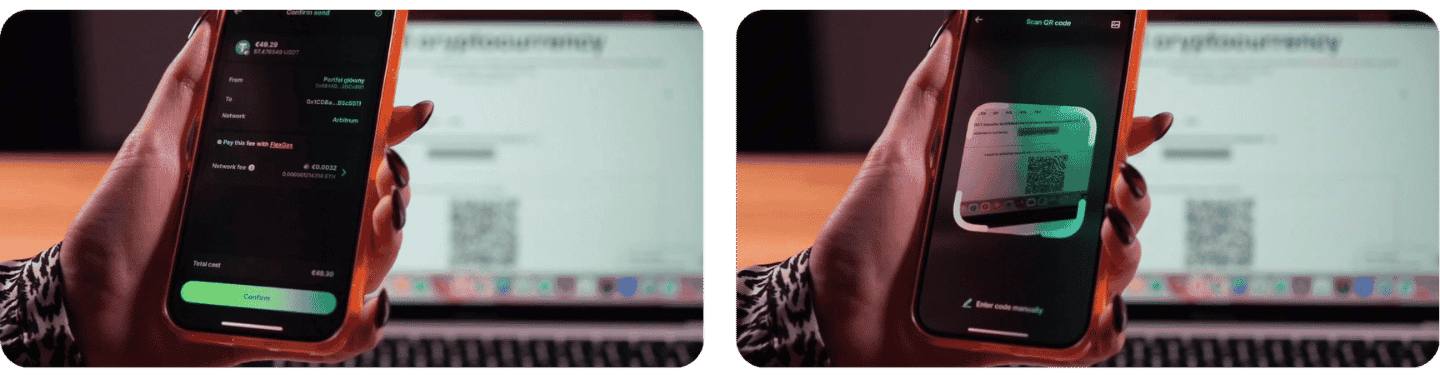
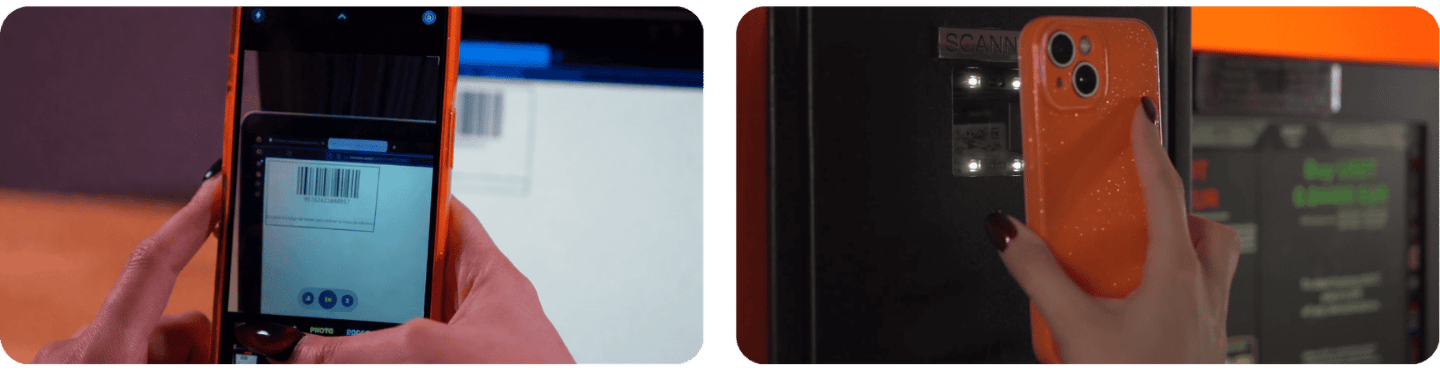
When purchasing Bitcoin at a Bitcoin ATM , you usually display a QR code with your wallet address on your phone’s screen. The machine scans this code and knows where to send the purchased BTC.
That's why, before visiting an ATM, it's a good idea to install the wallet in advance, write down your recovery phrase, and make sure you can find your receiving address.
How does a Bitcoin wallet work?
A Bitcoin wallet works thanks to two components: a public key and a private key.
- A public key can be compared to a bank account number. It is used to generate a wallet address, which you can give to someone who wants to send you Bitcoin.
- A private key acts as the most important password to your funds. It allows you to sign transactions and prove that you have the right to spend those cryptocurrencies.
The most important rule is: never share your private key with anyone, and never share your recovery phrase. Anyone who obtains either can take control of your funds.
Seed phrase—the most important backup
When setting up a wallet, the app will usually show you a seed phrase—a set of 12 or 24 words. This is your wallet backup.
If you lose your phone, delete the app or replace your device, this phrase lets you recover access to your cryptocurrency.
Do not store your seed phrase on your phone, in your email, in the cloud, or in a messaging app. The safest way is to write it down by hand on a piece of paper and store it offline in a place where no one else has access to it.
Types of Bitcoin Wallets
Bitcoin wallets can be divided into two main groups: online wallets (also known as hot wallets) and offline wallets (also known as cold wallets).
- A hot wallet is connected to the internet. It’s a convenient solution for small amounts and frequent transactions. An example is a mobile app on a phone.
- A cold wallet operates offline and is much safer for storing larger amounts. The most popular example is a hardware wallet, such as Ledger or Trezor.
Mobile wallet—a convenient choice to start with
For anyone who wants to buy Bitcoin with cash in Switzerland, a mobile wallet is often the simplest option. Simply install an app, create a wallet and display its QR code at the Bitcoin ATM.
Mobile wallets are convenient, fast and easy to use. They are well suited to smaller amounts and situations where you want to access your cryptocurrency from your phone.
The downside is that a phone is a device connected to the internet. If it becomes infected, is stolen, or is not properly secured, the risk of losing funds increases.
Hardware Wallet — Best for Larger Amounts
A hardware wallet is a standalone device that stores private keys offline. This makes it much more secure than a regular mobile app.
This option is worth considering if you're buying Bitcoin for the long term or holding a larger amount. Transactions are physically confirmed on the device, which further enhances security.
The most popular hardware wallets are Ledger and Trezor. Their drawbacks include the purchase price and reduced convenience for frequent transactions, but in terms of security, they are among the best choices.
Exchange wallet - convenient, but less independent
Some people keep their cryptocurrencies directly on an exchange. It's simple because you don't have to manage your private keys yourself.
However, it’s important to remember that in this case, you don’t have full control over your funds. Access depends on the exchange, its terms of service, security measures, and the status of your user account.
An exchange wallet may be convenient for everyday trading, but for long-term Bitcoin storage it is better to choose a wallet whose private keys you control yourself.
Which wallet should I use for a Bitcoin ATM in Switzerland?
A mobile wallet is the best option for buying Bitcoin at a Bitcoin ATM, since it allows you to quickly display a QR code on your phone's screen.
For beginners, a simple mobile wallet such as Trust Wallet or Exodus, or another popular non-custodial app, may be a good choice. Download it only from the official App Store or Google Play listing.
If you are buying a larger amount of BTC, you can first receive it in a mobile wallet and then transfer it to a hardware wallet. This is a convenient combination of simplicity and security.
How to set up a Bitcoin wallet step by step
- Choose a Bitcoin wallet
- Download the app from the official source
- Download the app from the official source
- Create a new wallet
- Save the recovery phrase
- Open the “Receive Bitcoin” section
- Display your wallet's QR code for the Bitcoin ATM to scan when buying BTC
Bitcoin Wallet Security - Key Principles
Never show anyone your seed phrase or private key. No support agent, Bitcoin ATM operator, exchange or legitimate company should ever ask you for this information.
Do not click suspicious links, and always check that you are using the official app or website. Fake wallets and phishing sites are among the most common ways cryptocurrency is stolen.
Set a strong password and a screen lock and, if the app supports them, enable additional biometric security features. Consider a hardware wallet for larger amounts.
The Most Common Mistakes Made by Beginners
One of the most common mistakes is saving your seed phrase in your phone's photo gallery or notes. It's convenient, but dangerous.
The second mistake is sending cryptocurrency over the wrong network or to the wrong address. Before every transaction, check that the recipient's address is correct.
The third mistake is keeping large amounts of cryptocurrency in a mobile wallet or on an exchange without additional safeguards. An offline wallet is a better option for larger holdings.
Using a Bitcoin wallet to sell cryptocurrency
A wallet is useful not only for buying but also for selling cryptocurrency. To sell BTC and collect cash from a Bitcoin ATM, you must send the cryptocurrency from your wallet to the transaction address provided.
In practice, this means that the wallet should allow users to conveniently scan a QR code, select the appropriate network fee, and quickly confirm the transaction.
Before selling, always check that the selected network and cryptocurrency match the instructions on the ATM screen or operator's website.
Summary
A Bitcoin wallet is an essential tool for anyone who wants to buy, store, or sell cryptocurrencies. In Switzerland, it’s particularly useful when using a Bitcoin ATM, as it allows you to quickly receive BTC directly to your own address.
For beginners, a simple mobile wallet is the best choice. For larger amounts and long-term storage, it’s worth considering a hardware wallet.
Security is the most important thing: protect your seed phrase, do not share your private key, and use only official apps. In the world of cryptocurrency, full control over your funds also means full responsibility for protecting them.
Frequently asked questions
Yes. To buy Bitcoin, you need a wallet address where the funds will be sent. The easiest way is to use a mobile wallet with a QR code.
For beginners, a mobile wallet is the most convenient option. It's easy to use and works well for your first transactions and smaller amounts.
Yes. A hardware wallet stores private keys offline, which is why it is one of the best solutions for storing larger amounts.
Yes. You can share your public address to receive cryptocurrency. Never share your private key or seed phrase, however.
A mobile wallet works best with a Bitcoin ATM because it lets you quickly display the QR code on your phone's screen.